Mohammad Kasiri
Exhibition
-
Tehran Design Week is one of the most important annual events in Iran dedicated to design, architecture, creative industries, and design-based production.
In 2025, the event will take place from November 10 to 16.
Its main goal is to build a bridge between design, creative industries, innovation, and Iranian cultural identity — so that design is not merely a reflection of the past, but also a capacity for the future and for global dialogue.
Theme and Main Focus
The theme for this edition is “Dynamic Heritage – Sustainable Future,” which aims to encourage the new generation of designers to connect local values and cultural awareness of the past with the contemporary needs of a sustainable future.
Key focuses include:
Showcasing professional and emerging designers, manufacturers, and brands.
Urban Event: held in public spaces, historical houses, galleries, and cultural centers.
Exhibition Event: held at the Tehran International Exhibition Center, bringing together design works, furniture, new materials, technology, and brands.
Design competitions and open-air installations are also among the event’s highlights.
Momentum
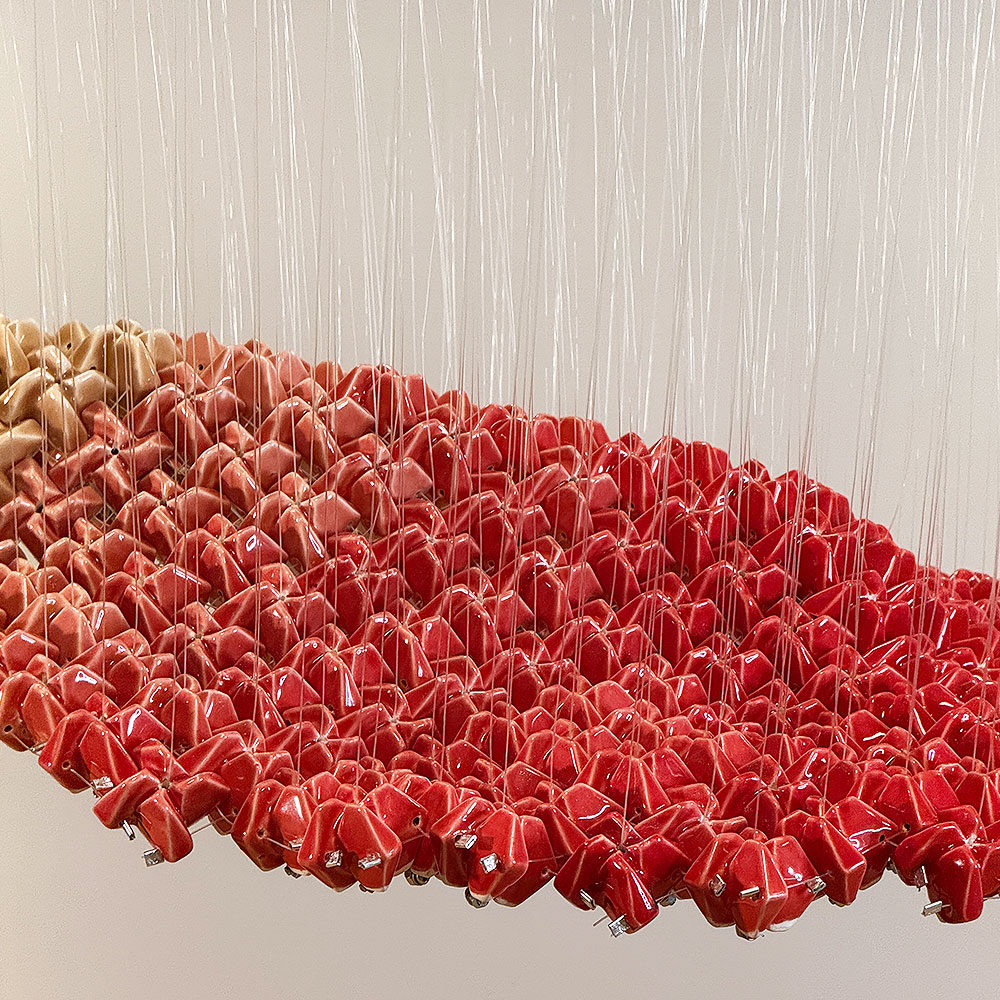
Adaptation is not always a clear virtue.
At times, it allows us to survive in difficult circumstances, and at others, it slowly erases the very boundaries of our existence. On a fragile edge, adaptation can be as creative and generative as it can be destructive and exhausting.
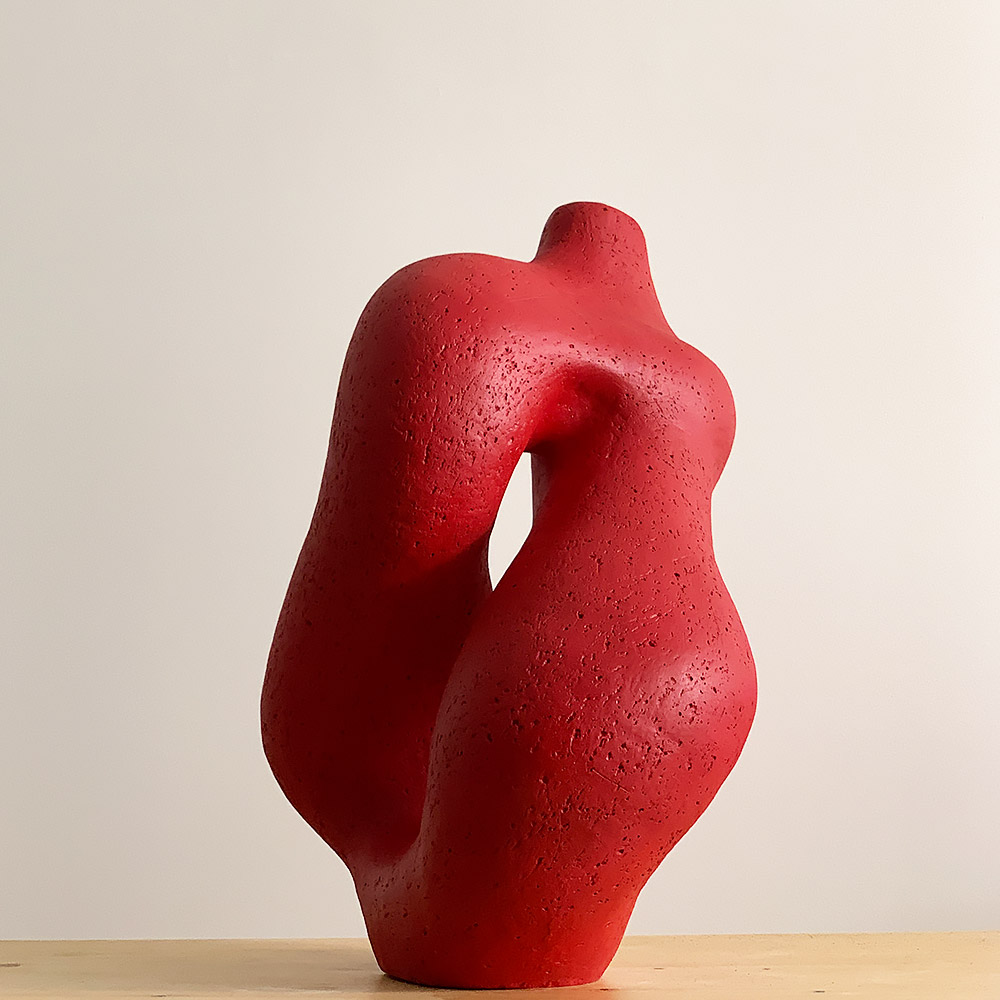
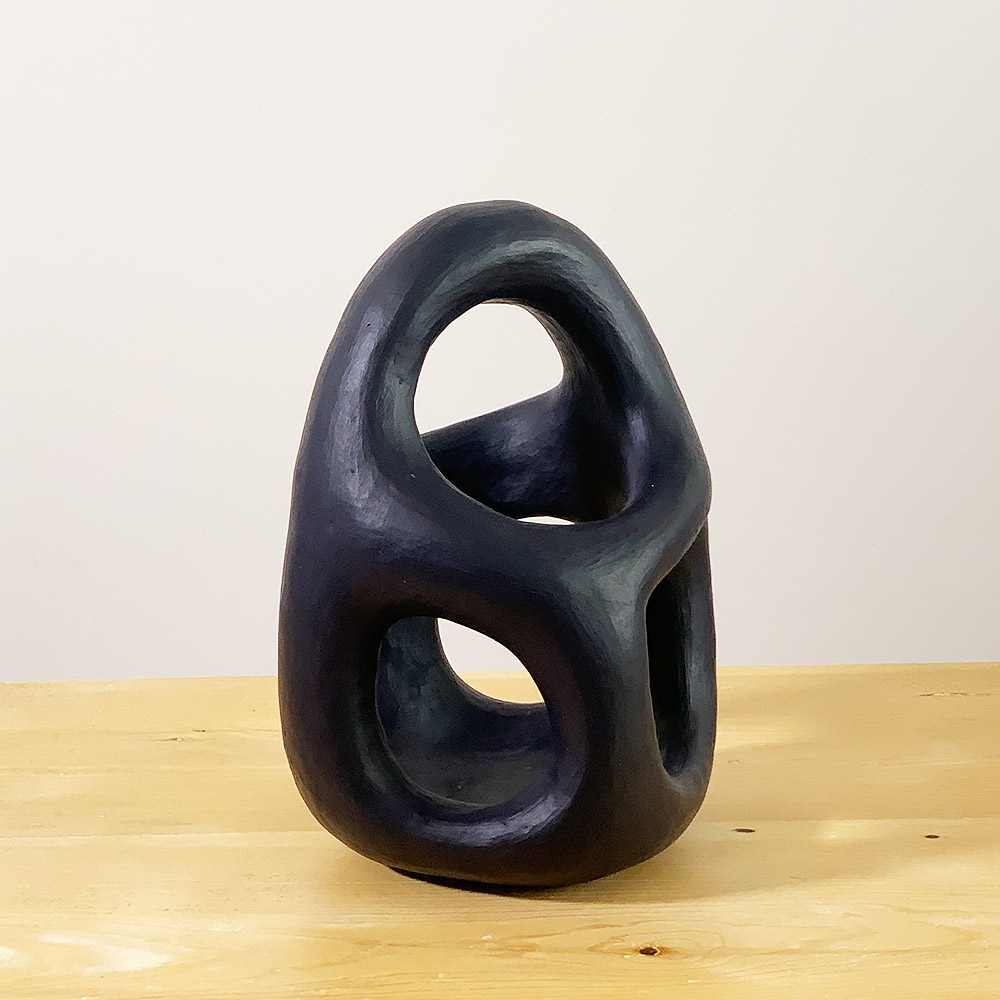
Ceramics became, for me, a metaphor of this very paradox: a material that is hard, solid, and brittle, yet constantly tested by transformation—through clay, glaze, and fire. Much like us, standing before external forces—climatic crises, cultural pressures, or economic shocks—we are compelled to redefine the limits of our own endurance.
This journey is, for me, an attempt to witness the moment when adaptation shifts from a power to persist into a gesture of surrender; a fine boundary between resilience and collapse.
Adaptation is not always equal to survival. In the real world, there comes a moment when acceptance itself becomes the beginning of erosion. My attempt has been to make this fragile threshold visible—where ceramics pretend to be flexible, and each piece, in relation to the other, creates a network that responds to external forces. Here, the tension between fragility and resilience does not resolve, nor does it vanish—it transforms into a stage upon which the paradox itself can be seen.
Mantra

This artwork draws inspiration from the Eightfold Path and the core teachings of Buddhism, embodying a balance and harmony that emerge from the endless motion of nature and awareness. The wooden frame contains 137 octagonal pieces, rotating in unison around their axes. This dynamic movement evokes the prayer wheel and the repetition of mantras, serving as symbols of focus, peace, and inner energy.
The octagonal shapes symbolize the principles of the Eightfold Path, representing a continuous journey toward awareness and enlightenment—from Right View and Intention to Right Speech, Action, and Livelihood. Each piece signifies an element of the path, reflecting an inner and purifying journey that leads to unity and inner peace through self-awareness and mindfulness.

Mantra
How Design Comes to Life
Every piece of art starts with a spark of inspiration, but the journey from idea to finished work is where the real magic happens. In this story, we dive deep into the intricate process of designing an artwork from the first sketches and material choices to the final touches that bring the vision to life. Discover how each decision, from color palettes to structural details, shapes the meaning and emotional impact of the piece. Join me as we uncover the hidden layers of creativity and craftsmanship that transform a simple concept into a powerful work of art.


The brown and green tones in the piece reflect nature, earth, and spiritual growth. Brown signifies roots and the human connection to the earth, while green symbolizes budding growth and spiritual awakening that moves outward toward enlightenment. Together, these colors create a harmonious depiction of serenity and the connection between mind and nature.
This visual and kinetic composition, akin to mantras and the prayer wheel, represents an unending cycle a pursuit of peace and balance that guides one toward coexistence and connection with the surrounding world.
Monalisa
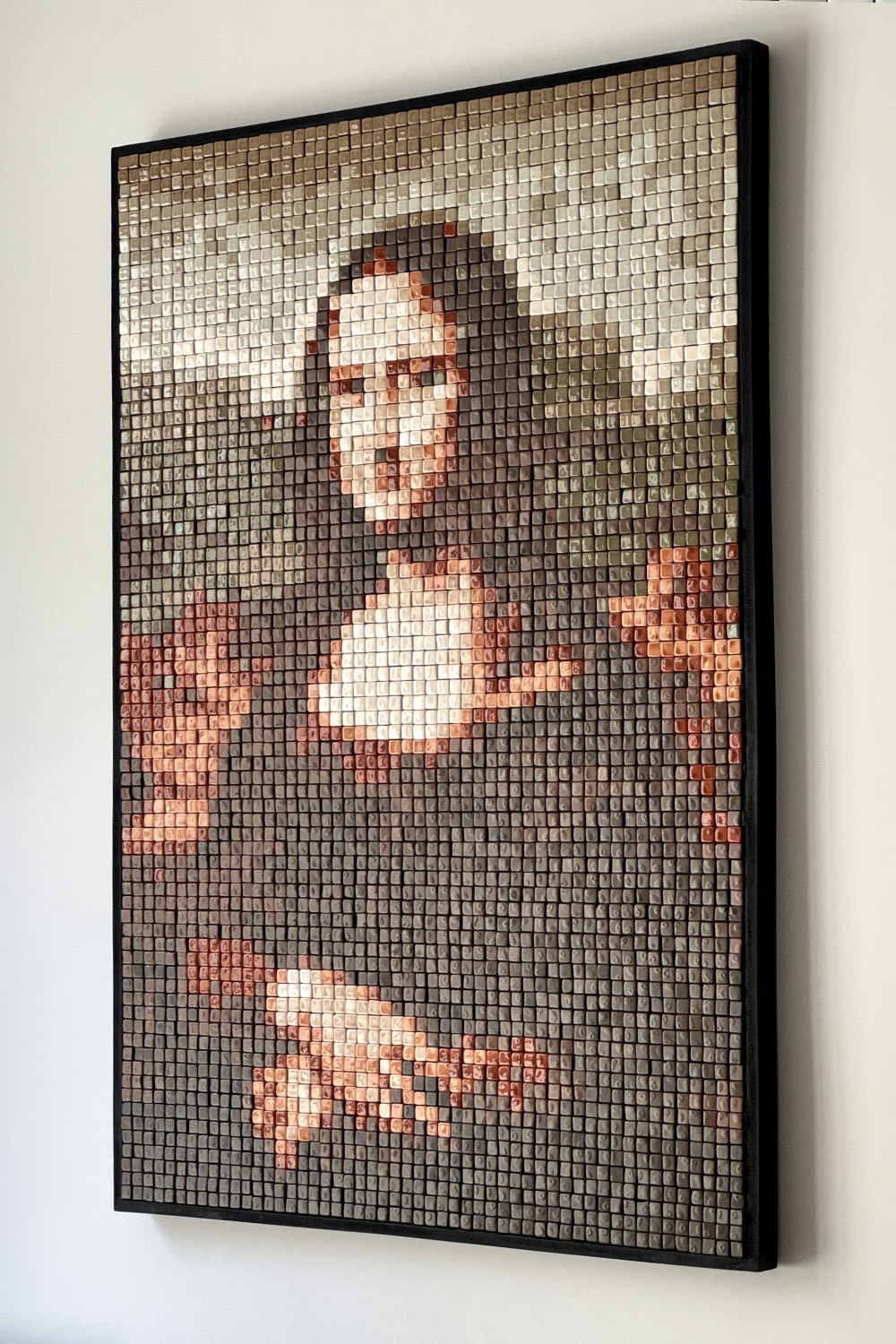
Creating ceramic pieces and turning them into a mosaic has perhaps been the most challenging project I've undertaken so far. Pixel art has always inspired me, and this might be the first time I've decided to create a serious work in this field. To confront the challenges of this task, I started with a particularly challenging image.
Having a background in ceramics and pottery, my interest in pixel art led to the fusion of these two passions. I haven't seen similar works combining these elements, both locally and internationally, which further motivated me to give it a try. The final number of ceramic pieces I decided to work with is 4,004. The dimensions of the pieces are approximately 2x2 centimeters, while the overall size of the mosaic is 1x1.5 meters